

Pressure regulators are installed to keep your home’s water pressure at a safe, consistent level. If the incoming city water pressure is too high, a pressure regulator is the device that protects your pipes, fixtures, and appliances from unnecessary wear. In South Carolina, it’s common to see incoming pressures from the street that are far beyond what residential plumbing systems are designed to handle.
We typically recommend installing a pressure regulator if your water pressure is above 80 PSI. At that point, you’re at increased risk for leaks, toilet valve failures, washing machine hose bursts, and water heater stress. Some homes come with them pre-installed, but in many cases, we’re adding them to systems that never had one or replacing units that have failed.
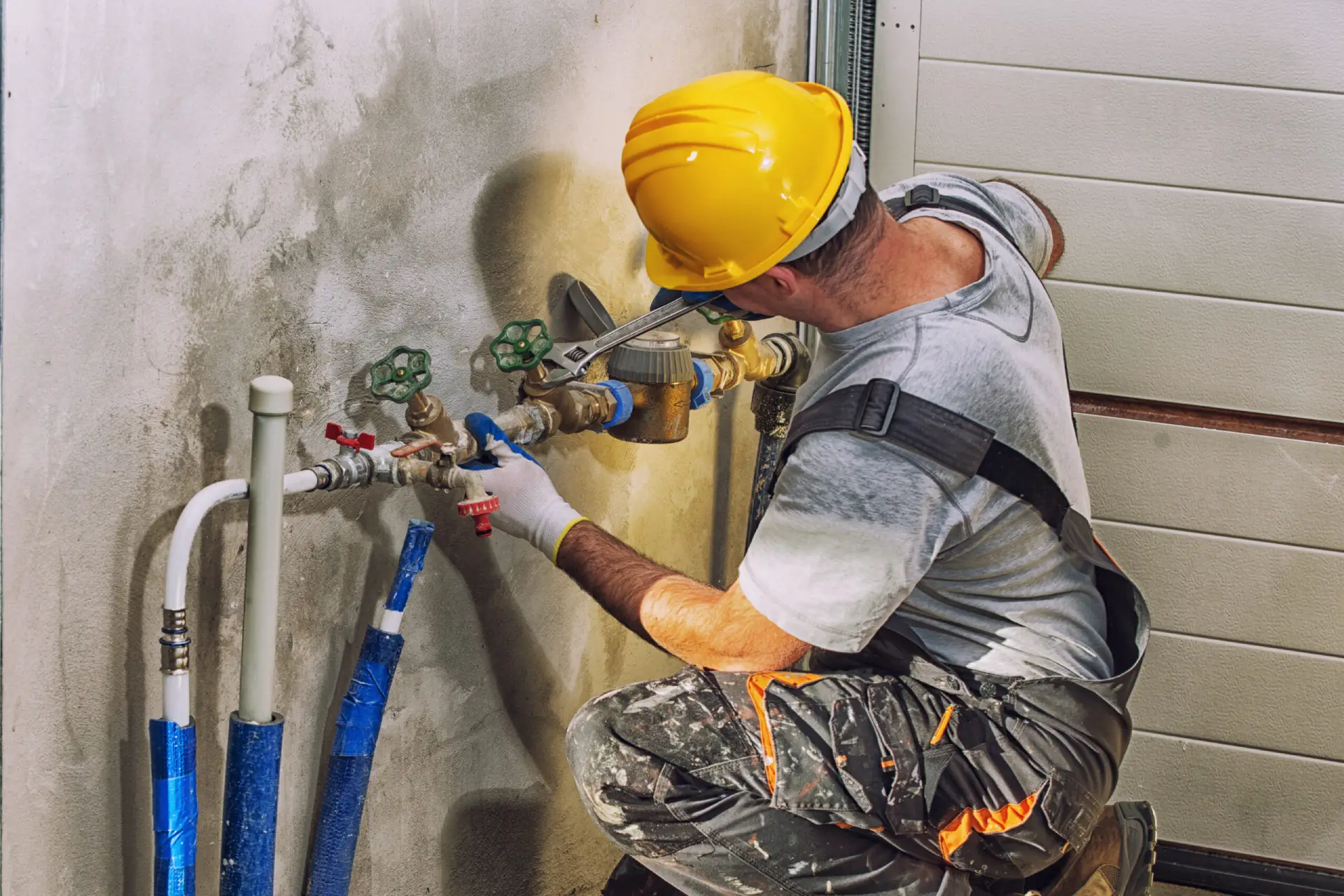
Like any mechanical device, a pressure regulator wears out over time. Inside the valve, a spring and rubber diaphragm control the flow and reduce pressure. As water continuously flows through the system, minerals can build up or the diaphragm can crack. Over the years, that spring can weaken or break entirely.
We also see failure from sudden water pressure surges in the municipal system or from debris entering the valve. Even something as simple as sediment in the water supply can cause a regulator to malfunction. It’s one of those devices that people forget about until something goes wrong.
If your regulator is starting to fail, you’ll usually notice a few telltale signs. Sudden spikes in water pressure are the most obvious. You might hear water hammer sounds in the walls when you turn faucets off. Faucets and showerheads can begin to spray more forcefully than usual. You may even see premature wear on appliances like dishwashers and water heaters.
Another clue is plumbing that seems fine one day and starts acting erratically the next. Toilets constantly running, hose bibs leaking more than usual, or banging pipes can all point to pressure problems. At that point, it’s time to check the regulator.
Pressure regulators do not last forever. Most last 10 to 15 years before needing replacement. There is no real repair option for them. Once the internal components wear out, the best solution is a new unit.
We recommend checking your water pressure with a gauge annually. If the reading is consistently too high or fluctuates, it’s time to schedule a professional inspection. During regular service visits, we can check the pressure, test the regulator, and make sure your system is still being protected.
At One Call, we use high-quality brass pressure-reducing valves from trusted brands. Our installation includes pressure calibration to match the needs of your home, and we back our work with warranty protection. If you’re not sure whether your house has a functioning regulator or you’re seeing signs of failure, give us a call. We serve both Spartanburg and Greenville with fast, expert service.