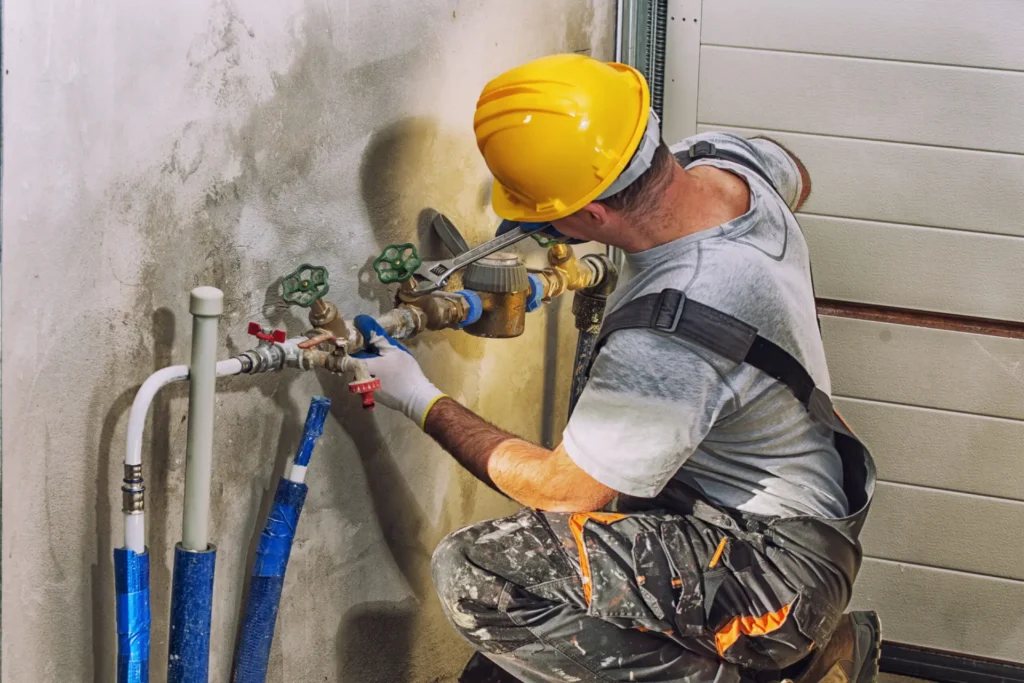

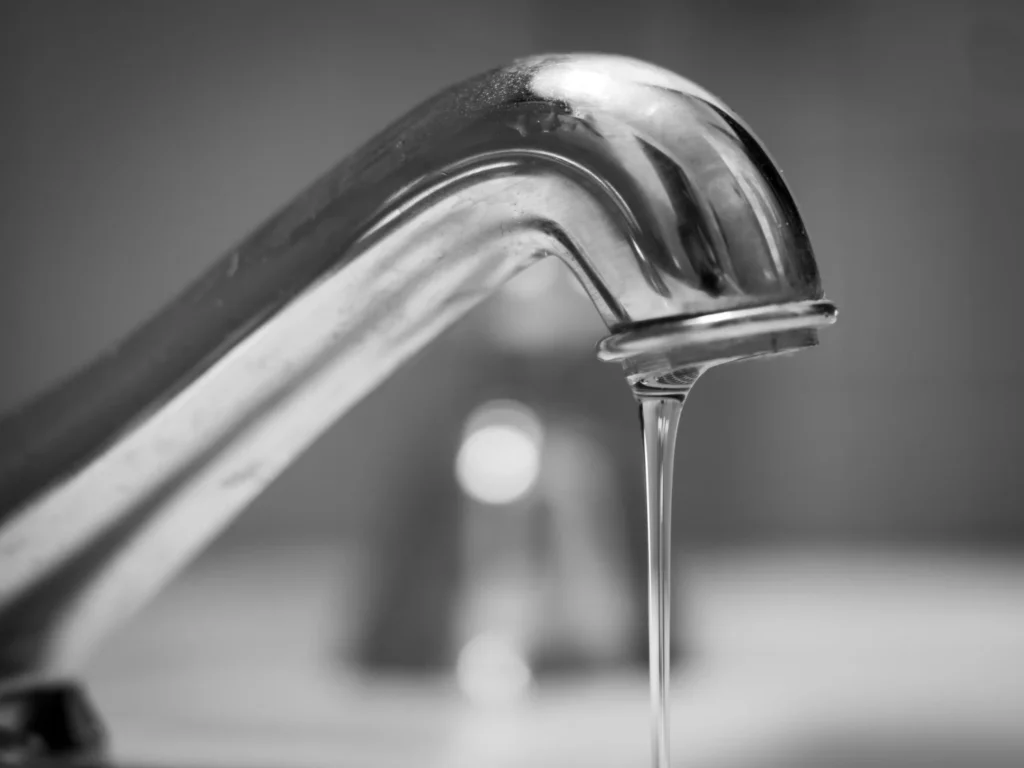
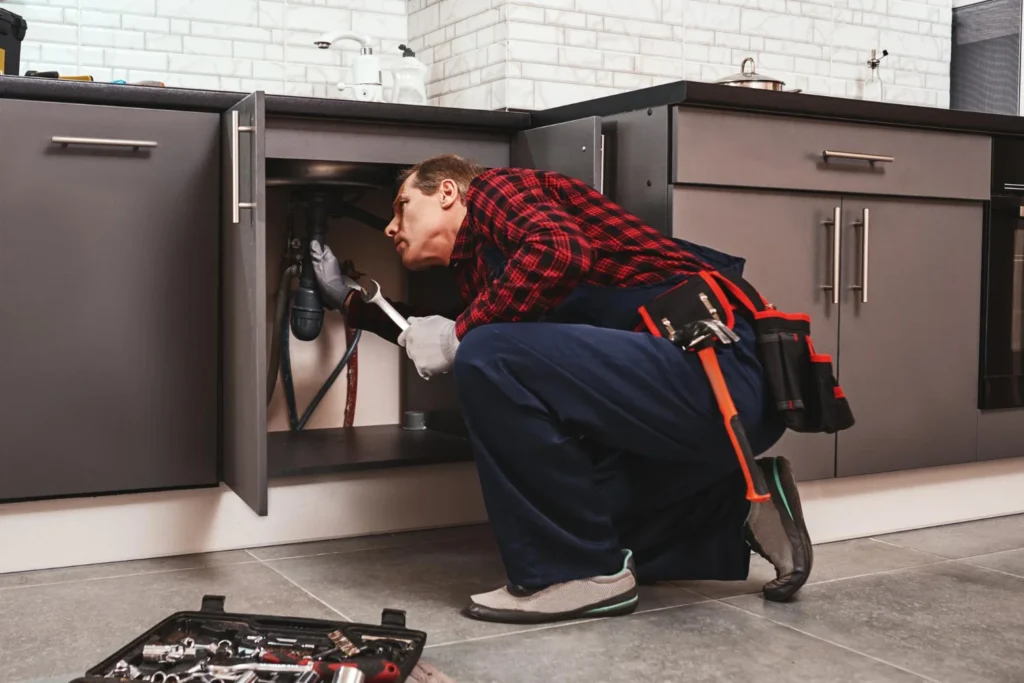

Pipes and washers can deteriorate over time, leading to failures.
Excessive pressure can stress pipes, resulting in leaks.
Pipe corrosion can cause leaks, especially in older homes with metal piping.
Freezing can lead to pipe bursts, while heat can wear out fixtures and seals.
You can perform a visual check for any signs of moisture on walls, ceilings, or floors. Check for mold, mildew, or water stains, which can indicate the presence of leaks even if they are not directly visible.
An acoustic leak detector amplifies the sound of water escaping from pipes, allowing you to pinpoint the location of a leak. Professionals often use this method as it’s effective in detecting even small leaks within walls or underground.
Thermal imaging cameras detect temperature differences in walls and floors to locate leaks. Cool spots may suggest the presence of moisture from a leaky pipe.
A moisture meter can help you detect high levels of moisture in building materials. It’s a non-invasive tool that you press against a surface to get a reading of the moisture level, which can suggest the presence of a leak nearby.
Pressure testing involves adding pressure to your pipes and then monitoring a pressure gauge for any drops. A decrease in pressure usually means there’s a leak in your plumbing system.
Smart water sensors offer real-time monitoring and can send alerts to your phone if a leak is detected. They are installed in potential leak points and are ideal for ongoing leak surveillance. Remember, early detection and repair of leaks can save you from costly water damage repairs and reduce waste of water resources.