

A whole house water filter is essential for ensuring that every tap in your home delivers clean, safe drinking water. Regular replacement of the filter is crucial to effectively remove contaminants such as chlorine, lead, and sediment, keeping your water quality high and protecting your family’s health.
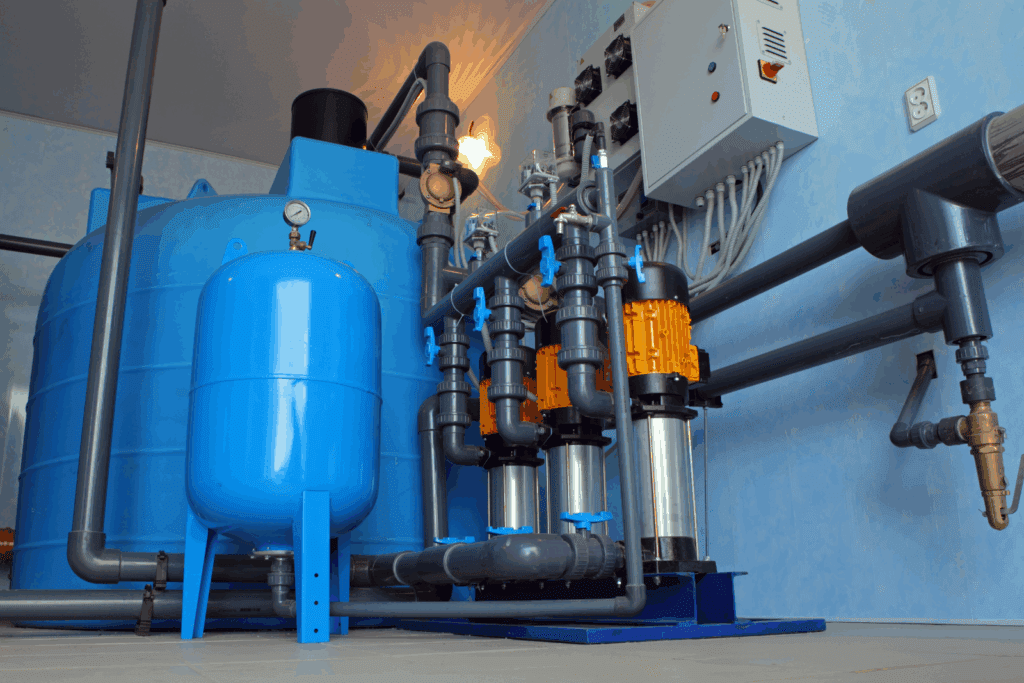
Many homeowners overlook filter maintenance, leading to reduced filtration efficiency and potential health risks. Understanding when and how to replace your filter can enhance your water’s taste and safety, making it vital for your household.
By keeping track of your filter’s lifespan and signs of wear, you can ensure that your water system remains at peak performance. Investing time in this simple maintenance task pays off with cleaner, healthier water for you and your family.
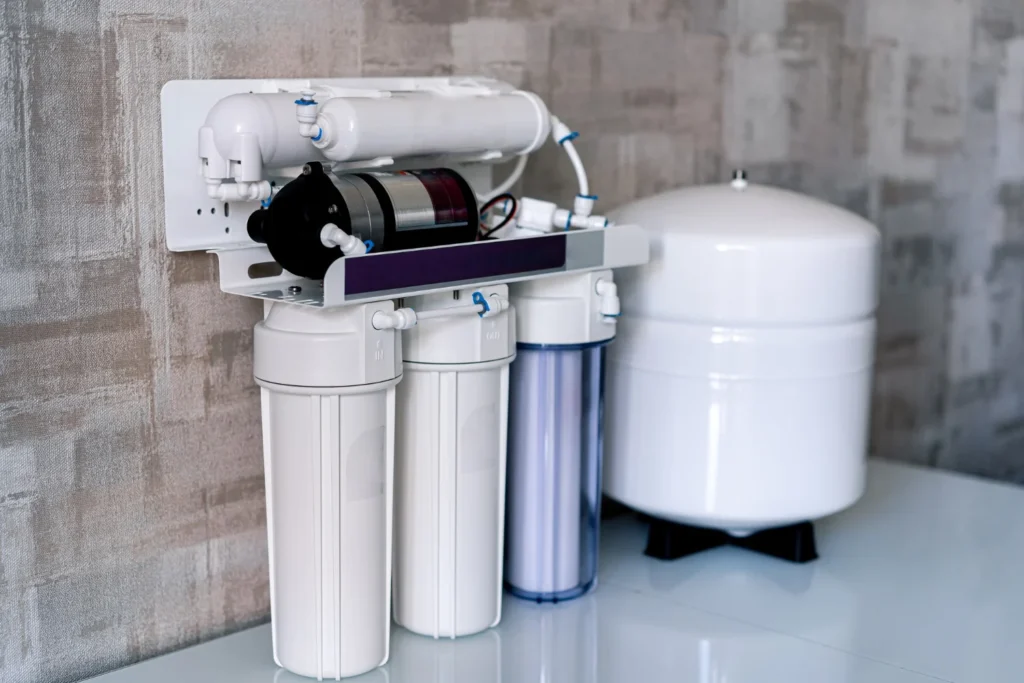
Understanding when to replace your water filter is essential for effective maintenance. Most filter cartridges have a lifespan indicated by the manufacturer, typically ranging from six months to two years, depending on water quality and usage.
Monitor your household’s water usage and refer to the user manual for specific guidelines. If your home uses well water or has high sediment levels, you might need to replace filters more frequently. Additionally, you can charge a calendar reminder to stay on track with replacements.
Identifying signs of a failing water filter can prevent health issues and costly repairs. Watch for a reduced flow rate; if water pressure decreases significantly, the filter may be clogged and need replacement.
Also, if you notice unusual tastes or odors in your water, this can indicate that the filter is not effectively removing contaminants. Keep an eye on your water clarity; cloudy or discolored water might suggest the filter is compromised. Regularly inspecting and replacing filters will enhance water quality and prolong the system’s lifespan.
Before starting the replacement, gather necessary tools: a pipe cutter, adjustable wrench, and towel. Turn off power to the filter system if applicable.
Wear safety goggles and gloves to protect yourself. Inspect the filter housing for leaks or damage before beginning. Familiarize yourself with your specific model by reviewing your manufacturer’s instructions to understand any unique requirements.
Keep a towel handy to catch any water spills during the process. It’s important to have a bucket under the filter housing to collect residual water. Ensure you have a new filter cartridge ready for installation.
Locate the main water shut-off valve, usually found near your water meter. Turn the valve clockwise to stop the flow of water to your home.
If your system has a dedicated shut-off valve for the filter, turn that off as well. This prevents water from escaping during the replacement.
Check all faucets in your home. Turn them on to relieve pressure in the system. This step helps reduce water spillage when you remove the old filter.
Once the water is shut off and pressure is relieved, use an adjustable wrench to loosen the filter housing. Turn the housing counterclockwise until it detaches.
Carefully pull the old filter cartridge out. Dispose of it according to local regulations regarding waste disposal. Check the O-ring on the filter housing; if it appears worn or damaged, replace it.
Wipe the inside of the filter housing with a clean towel to remove debris. This ensures a proper seal when the new cartridge is installed.
Take your new filter cartridge and align it with the filter housing. Insert it gently into place, making sure it fits snugly.
Apply a small amount of food-grade lubricant to the O-ring to ensure a proper seal. This practice minimizes the risk of leaks after installation.
Reattach the filter housing by twisting it clockwise until it’s tight. Use the adjustable wrench for a firm connection, but avoid overtightening, as this might damage the housing.
Once the new filter is installed, it’s time to turn your water supply back on. Slowly open the main valve and monitor for leaks around the filter housing.
Check the pressure gauge, if your system has one, to ensure it is within the manufacturer’s specifications. Let the water run for a few minutes to purge any air or carbon dust from the new filter.
Inspect all plumbing fixtures for any signs of leaks and tighten connections if necessary. Review the manufacturer’s instructions for additional guidelines specific to your filter system.
You should establish a cleaning schedule for your water filter to maintain optimal performance. Begin by checking manufacturer guidelines for recommended cleaning intervals, generally every 3 to 6 months.
Use a soft cloth to wipe down filter housings and ensure that the area remains free from dirt and debris. If your system features a sediment filter, clean it using a gentle spray of water or replace it if it appears clogged.
Additionally, consider using a water softener if hard water is a concern. This can help prevent mineral buildup that may impede flow rates and reduce efficiency.
Regular maintenance checks can save you money on repairs and prolong the life of your investment.
Keep an eye on your home’s water pressure, as excessive pressure can lead to premature filter failure. It’s ideal to maintain pressure within the 40 to 60 psi range.
Use a pressure gauge to regularly monitor this. If pressure exceeds recommended levels, you might need to install a pressure-reducing valve to alleviate stress on your filter.
Also, watch out for signs of chloramine presence in your water, as they can degrade filter quality over time. If you notice fluctuations in water flow rates, inspect your system; clogged filters can cause drops in water pressure, which affects overall performance.
By actively managing these factors, you ensure your filter operates efficiently, staying effective for longer.
Investing in regular filter replacement can lead to considerable savings over time. By ensuring your filter operates efficiently, you reduce the risk of plumbing issues caused by clogged contaminants.
Replacing your whole house water filter significantly boosts water quality, impacting your health positively. Clean water free from contaminants is crucial for everyday use, from cooking to bathing.
Yes, we offer 24/7 emergency plumbing services to handle urgent issues such as burst pipes, severe clogs, or water heater failures. Call us any time at (864) 310-6277 for immediate assistance.